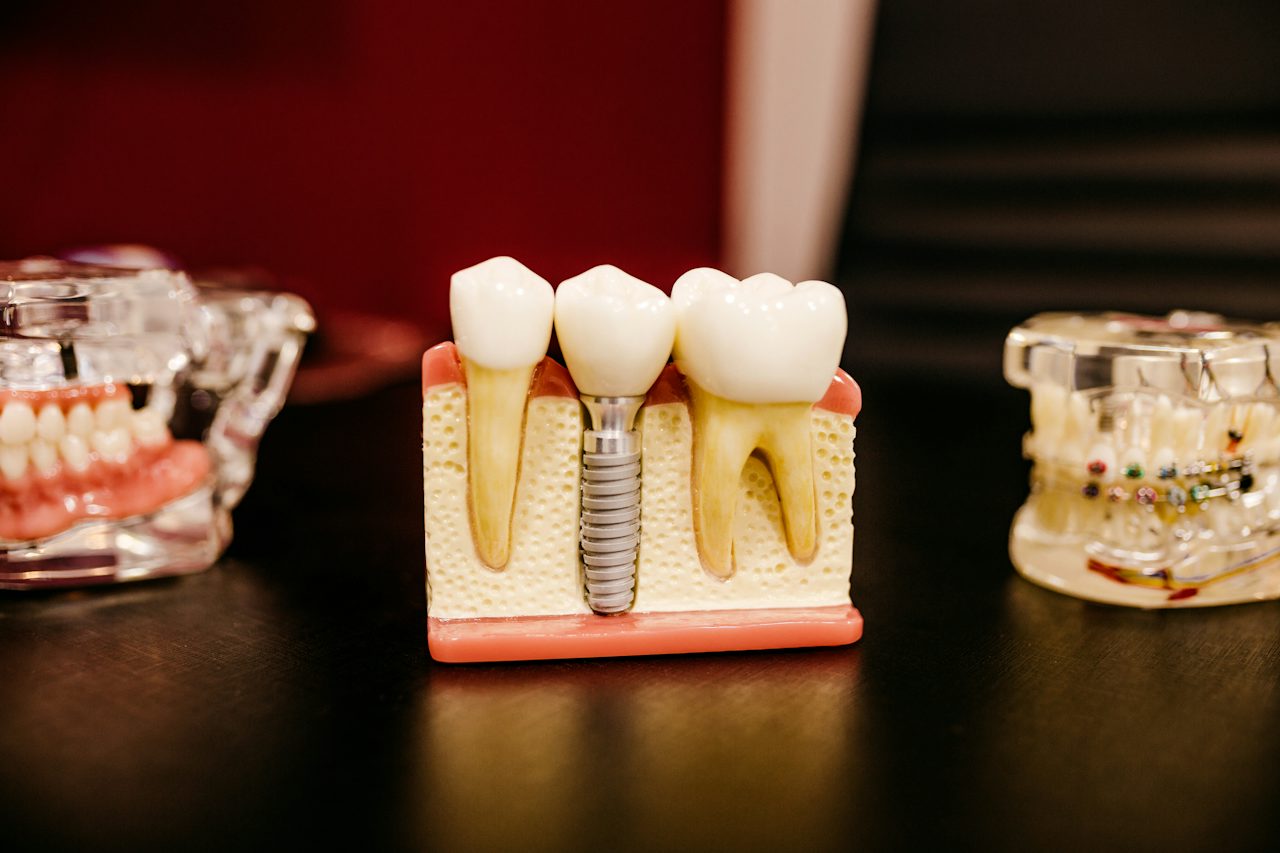
When it comes to replacing missing teeth, you have two options: a dental implant or a bridge. While both offer a way to restore your smile, only one of these options offers a permanent solution. Here is a comparison.
Dental implants are specifically-designed replacement teeth that replace the roots of missing teeth. They form a strong foundation for fixed (permanent) or removable replacement teeth. In some cases, dental implants can be used to support a bridge and eliminate the need to replace any adjacent healthy teeth.
An implant is a small titanium post that is surgically inserted into the jawbone. Over time, the bone bonds with the titanium, creating a strong foundation for artificial teeth. After the implant has bonded to the jawbone, a crown is attached to the top. This crown is custom-made to match the patient’s other teeth in shape and color. In this way, nobody should be able to tell the patient has a false tooth. The implant itself will look and feel just like a patient’s natural tooth.
Traditionally, a bridge is made up of two crowns with prosthetic teeth in between. The crowns are placed over the natural teeth on either side of the gap and are connected to the false tooth or teeth in the middle. The bridge is then cemented into place for a lifelong restoration.
A bridge is a good option to replace one or two missing teeth in a row. However, it doesn’t work for every situation. For example, it wouldn’t be ideal for replacing all your teeth with a bridge because it requires support from your surrounding teeth in order to stay in place.
There’s no one answer for all patients. However, dental implants tend to provide more benefits than bridges when it comes to restoring your smile after tooth loss. Plus, they can also be used to replace a single missing tooth or several teeth in a row! They have an advantage over bridges in that they are permanent, while bridges often need replacement within ten years of placement in the mouth. They are also easier to clean and maintain over time. Bridges also require that the teeth next to the space be used to help stabilize the bridge. This can cause unnecessary stress on those adjacent teeth. Dental implants avoid these issues and are much more stable and reliable in the long run. In addition to replacing one or more missing teeth, they can be used to replace both your upper and lower arch of teeth with implant-supported dentures. These provide stability for your denture without the need for adhesives or pastes. They are removable for easy cleaning and maintenance. They can even be cleaned by running them through the dishwasher for a thorough cleaning session.
Because dental implants bond with the bone, they help prevent bone loss and provide a permanent solution for missing teeth. Traditional bridges don’t prevent bone loss and, therefore, may compromise the patient’s facial structure and bite function. In addition, caring for dental implants is as easy as brushing and flossing the teeth regularly, while bridges and dentures must be removed for cleaning and can cause discomfort during chewing.
Dental bridges are better for patients who simply need to replace multiple teeth in a row. Those patients also need to have healthy adjacent teeth to anchor the bridge in place. Besides, bridges usually have lower upfront costs than dental implants and need just two visits to the dental office spread over two weeks.
Reach out to our dental practice in Salt Lake City, UT, to have a consultation with our dentist in Salt Lake City, UT, Dr. Bishop. Call us at (801) 274-2500 or schedule an online consultation, and we’ll guide you further.
MON 8:00 am - 5:00 pm
TUE 9:00 am - 6:00 pm
WED 8:00 am - 3:00 pm
THU 8:00 am - 5:00 pm
FRI 9:00 am - 3:00 pm
SAT - SUN Closed

2120 E 3900 S #102, Salt Lake City, UT 84124
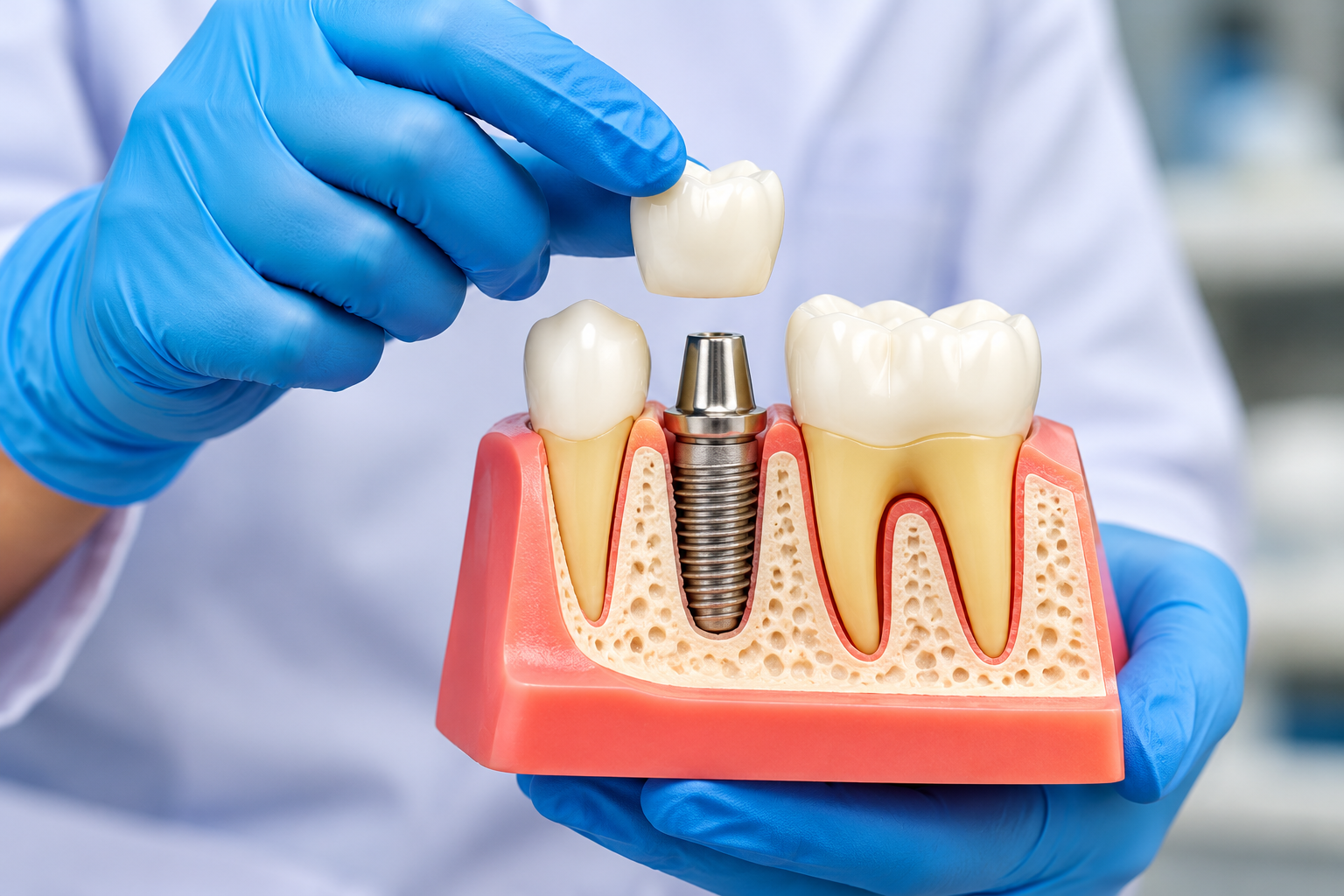
Dental implants are so versatile they can be used to replace a single missing tooth, multiple missing teeth, and even a full arch of teeth. By replacing lost teeth with implants, you can also help to prevent the bone loss that occurs once a tooth is lost. Bone loss in the jaw can lead to additional tooth loss, as well as a sunken-in appearance that is characteristic of prematurely aged people. However, when you use dental implants to maintain your natural teeth in place, you can preserve your youthful appearance for many years to come.
Here are the major applications of dental implants.
Dental implants are a popular option for replacing one or more missing teeth. They are an excellent long-term solution that can last a lifetime with proper care. Implants replace both the lost tooth and its root. The implant is surgically placed in the jawbone, and once it has integrated into the bone, abutments are placed on top of it to connect the implant to the replacement tooth. Once healed, patients can return to their normal daily routines. Unlike bridges or removable partial dentures that rest on the gum line, implants actually become fused with the bone in your jaw to provide a stable foundation from which you can securely attach your replacement teeth. This not only allows you to have beautiful-looking teeth but also improves the health of your jaw and mouth by preventing bone loss in the jaw bone.
For patients missing all their teeth, All-on-4® dental implants provide a fixed option that does not require support from surrounding teeth. By using just four strategically placed implant posts, an entire arch of missing teeth can be replaced with a permanent set of fixed replacement teeth. These restorations are stable and strong but can still be removed for thorough cleaning and maintenance. Some patients may benefit from All-on-6® dental implants if more support for the denture is needed. Consult your dental professional to determine which type of restoration is right for you.
Dental implants can support both dental crowns and traditional bridges. When one or more natural teeth are missing, the jaw can shift, and the face shape can change around the remaining teeth due to bone loss. Implant-supported restorations can help stabilize your bite and preserve your smile’s appearance for years to come.
Traditional bridges use adjacent healthy teeth as anchors to support a replacement tooth or teeth in between. A metal framework is fabricated and anchored to the supporting teeth, and the replacement tooth is then attached to the bridge. However, this can cause damage to the support teeth and negatively affect the patient’s ability to chew and speak. Because dental implant treatment uses posts to replace lost tooth roots, they can provide the necessary support for the restoration without compromising any nearby teeth in the process. The implants are surgically placed into the jawbone and given several weeks to heal before attaching the crown or bridge. The result is a strong, secure restoration that restores normal function and beauty to the patient’s smile.
A dental implant can support a removable partial denture using a series of strategically placed implants. Dental implants provide a more natural look, feel, and function than traditional appliances such as clasps. Along with being more stable and comfortable, they allow you to chew more effectively and speak more clearly. Another benefit of implant-supported partial dentures is that they don’t require an adhesive to secure the appliance in place. They’re held firmly in place by four dental implants that are inserted into the jawbone as anchors.
Bishop Family Dental, located in Salt Lake City, UT, is equipped with excellent amenities and expert dentists who offer patients the best dental care services. Dial (801) 274-2500 and book an appointment with the dentist to learn more about dental care services and to receive a complete dental checkup.
You must be logged in to comment. All comments are reviewed by our team before they appear.
MON 8:00 am - 5:00 pm
TUE 9:00 am - 6:00 pm
WED 8:00 am - 3:00 pm
THU 8:00 am - 5:00 pm
FRI 9:00 am - 3:00 pm
SAT - SUN Closed
2120 E 3900 S #102, Salt Lake City, UT 84124
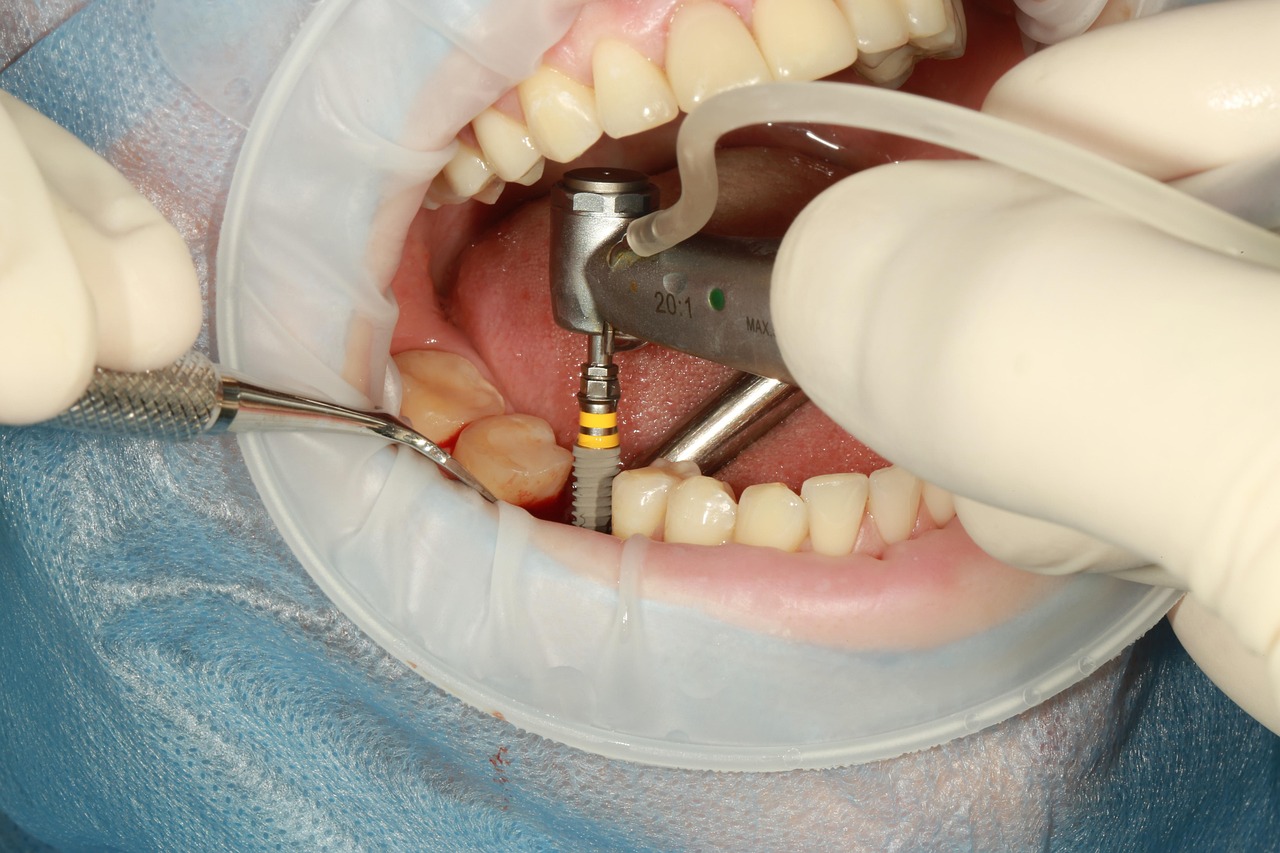
A dental implant is a small titanium post that is surgically placed in the jawbone. Once healed, an implant acts as an artificial tooth root, providing a sturdy base for the placement of a crown, bridge, or dentures. Dental implants can also be used to support a dental bridge or partial dentures.
Dental implants are a great option for patients who are missing one or several of their teeth. Implants can be used to replace a single tooth or multiple missing teeth in a row. They can also be used to support bridges and partial dentures, making them more stable and comfortable for patients.
During your initial consultation with our dentist at Bishop Family Dental, he will examine your teeth and take X-rays in order to determine if you are a good candidate for dental implants. If you are, he will create a treatment plan to help you achieve a healthy smile with a set of beautiful new teeth!
Dental implants are placed into the jawbone by a surgical procedure. Once the surgeon has placed the dental implant, it can take anywhere from three and six months for the bone to fully heal around the implant. During this time, the dental implant will fuse to the jaw through a process called integration. During this healing period, your dentist may provide you with a type of temporary restoration known as a flipper or a temporary tooth replacement during the healing phase. This can help patients avoid a removable denture while their implants are integrating. Once the healing process is complete, patients can return to our office to complete their smile with their new permanent restorations. An abutment is attached to the top of the dental implant, which protrudes out of the gum line. This post acts as a base for the dental crown, which is placed on top of the implant. The crown will cover the implant and blend in with the surrounding teeth for a natural appearance. During your consultation we will discuss all of your options and together decide what treatment is best for you.
If you have questions about how dental implants are placed, or how the process of placing dental implants works, please contact our office today to speak with a member of our team! We’ll be happy to answer any questions you may have so you can feel confident in your smile once again.
You must be logged in to comment. All comments are reviewed by our team before they appear.
MON 8:00 am - 5:00 pm
TUE 9:00 am - 6:00 pm
WED 8:00 am - 3:00 pm
THU 8:00 am - 5:00 pm
FRI 9:00 am - 3:00 pm
SAT - SUN Closed
2120 E 3900 S #102, Salt Lake City, UT 84124
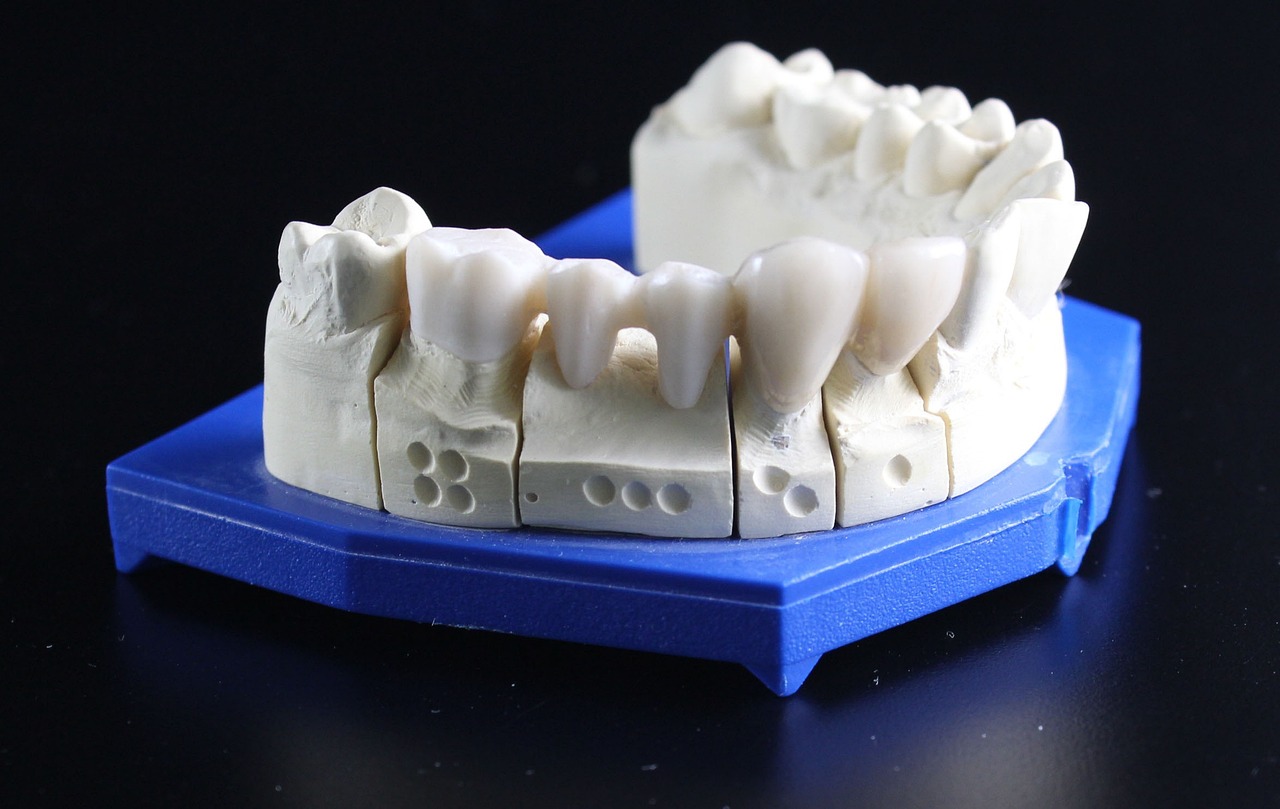
Dental implants are small titanium posts that are surgically placed into the jawbone. These posts serve as artificial tooth roots, providing stable anchors for replacement teeth.
Dental implants in Salt Lake City can be used to replace any number of missing teeth. In fact, they can be used to replace all of the teeth in an arch with implant-supported dentures. Dental implants are one popular dental treatment, but still, many people have several doubts about the procedure. Read on to learn the answers to the most frequently asked questions about dental implants.
Dental implants are one of the safest and most predictable procedures in modern dentistry. Dental implant treatment has a high success rate of over 90%. This is because of the biocompatible nature of titanium, the strong bond of the implant with bone, and the care of an experienced implant dentist.
Because dental implants are implanted into the jawbone, they are unique in that they are the only tooth replacement option that doesn’t affect the adjacent teeth. Other tooth replacement options (like removable dentures and dental bridges) require the adjacent teeth to be reshaped. This permanently changes the appearance of the neighboring teeth, as opposed to dental implants.
In some cases, dental implants can’t replace every tooth. This is why your dentist may recommend a dental bridge or denture to fill in the gaps.
Abutments are the connections that are created between your implants and your restorations. These abutments allow the restorations to attach to the implants. When the restorations are attached, they replace the missing tooth. Abutments can be made out of different materials, including titanium, zirconia, and zirconium.
Full dentures are removable appliances that replace all of your teeth. They are held in place with suction and dental adhesive. With implant-supported dentures, the denture itself is held in place with dental implants. These implants, which are small titanium posts, are surgically placed into the jawbone. The dentures snap onto the implants, providing a secure, durable fit.
Dental implants, Salt Lake City, do require ongoing care, but with good oral hygiene and regular checkups, a dental implant can last a lifetime.
After your dental implants, Salt Lake City, treatment, you’ll be able to enjoy your new smile right away. However, it’s important to remember that while your dental implant treatment process is complete, your dental implant will need some time to heal.
During this time, you won’t be able to eat certain foods, but your dentist will talk to you about your diet and the types of foods that you should avoid so that you don’t damage your healing implant.
The cost of your dental implants will depend on several factors, including the type of restoration you receive, the number of teeth that need to be replaced, and the type of sedation you choose for your procedure. We offer a number of flexible financing options to make paying for your implants easier and more affordable.
To learn more about dental implants in Salt Lake City at Bishop Family Dental, visit our dental office located at 2120 E 3900S #102, Salt Lake City, UT. We specialize in treating you and providing you with a beautiful bright white smile on your face. Book a consultation by calling (801)274-2500.
You must be logged in to comment. All comments are reviewed by our team before they appear.
MON 8:00 am - 5:00 pm
TUE 9:00 am - 6:00 pm
WED 8:00 am - 3:00 pm
THU 8:00 am - 5:00 pm
FRI 9:00 am - 3:00 pm
SAT - SUN Closed
2120 E 3900 S #102, Salt Lake City, UT 84124
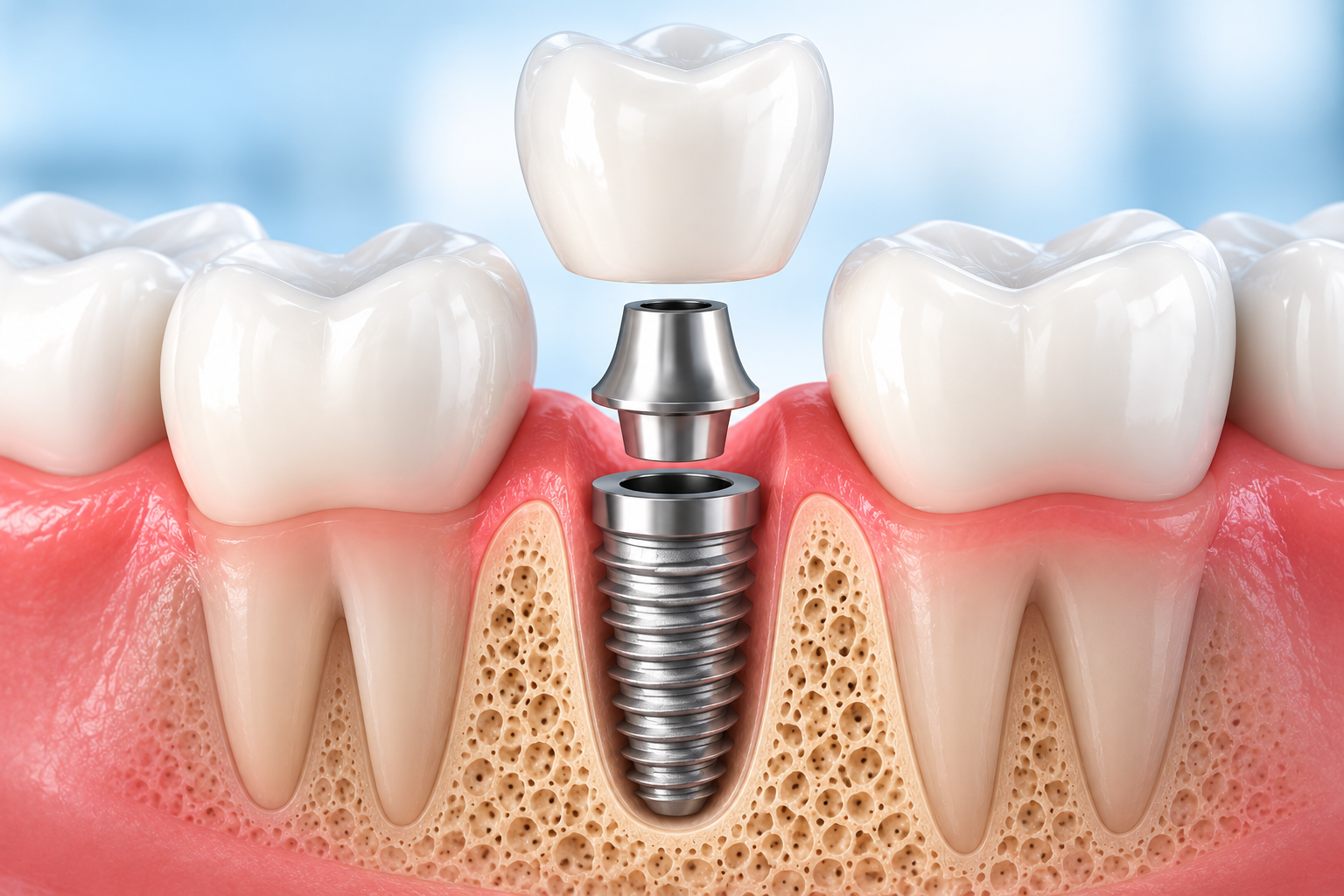
Dental implants are permanent tooth replacements that look and function like natural teeth. They are an excellent option for people who have lost a tooth or teeth due to decay, gum disease, or injury.
A dental implant is a prosthetic tooth replacement option that is designed to look and function just like your natural teeth. Dental implants are crafted from high-quality titanium, which is a biocompatible material that is safe for your body. These implant posts are surgically placed into the jawbone in the empty space where your lost tooth was. Once these posts have healed, they fuse with your jawbone in a process called osseointegration. This creates a stable base for the dental crown, bridge, or denture that is then placed on top of the implant post. This combination of the implant post and the restoration piece on top is called a dental implant prosthesis. The entire procedure can take several months to complete. Once the implants are in place, they should last a lifetime if properly cared for.
As part of your consultation for dental implants, your dentist will examine your mouth to determine whether you are a good candidate for this restorative treatment. Your dentist will also confirm that you do not have a condition that could interfere with healing after oral surgery, like uncontrolled diabetes or heart disease. If you have the proper health and bone density to support the posts, you can move forward with the procedure.
While dental implants can’t provide the same level of strength to your bite as natural teeth can, they’re the next best thing! Dental implants are the closest thing to the real thing when it comes to replacing missing teeth. They’re also very versatile and can replace one missing tooth or several in a row. There are several benefits to choosing dental implants as a tooth replacement option. Since they are designed to look and function exactly like your natural smile, you can feel confident in your appearance again. Additionally, since they are secured within the jaw, they provide the best support for biting and chewing when compared to traditional dentures. Finally, because dental implants are designed to mimic your natural teeth, they can help prevent bone loss and maintain the shape of your face. With proper care, they can last for a lifetime. However, it is important to practice good oral hygiene to keep your smile healthy for years to come. This includes brushing at least twice a day and flossing at least once. You should also attend
First, the implant is placed into your bone and allowed to heal for a period of five to six months. During this time, your jawbone will grow around the and fuse with the implant to hold it in place. Once healed, an abutment is attached to the top of the implant post. This holds the crown that will be custom-made to fit your mouth. Finally, the new crown is permanently placed over the abutment to complete your smile makeover and restore oral function and beauty.
Dental implants can be used to restore any number of missing teeth, including a single tooth or an entire arch of teeth. They are designed to mimic a natural tooth in both appearance and function. You’ll brush, floss and care for your dental implants just like you would natural teeth, and the dental implant will look and feel just like your other teeth.
If you think that dental implants may be right for you, contact our office to schedule a consultation today! Bishop Family Dental, located in Salt Lake City, UT, is equipped with excellent amenities and expert dentists who offer patients the best dental care services. Dial (801) 274-2500 and book an appointment with the dentist to learn more about dental care services and to receive a complete dental checkup.
You must be logged in to comment. All comments are reviewed by our team before they appear.
MON 8:00 am - 5:00 pm
TUE 9:00 am - 6:00 pm
WED 8:00 am - 3:00 pm
THU 8:00 am - 5:00 pm
FRI 9:00 am - 3:00 pm
SAT - SUN Closed
2120 E 3900 S #102, Salt Lake City, UT 84124
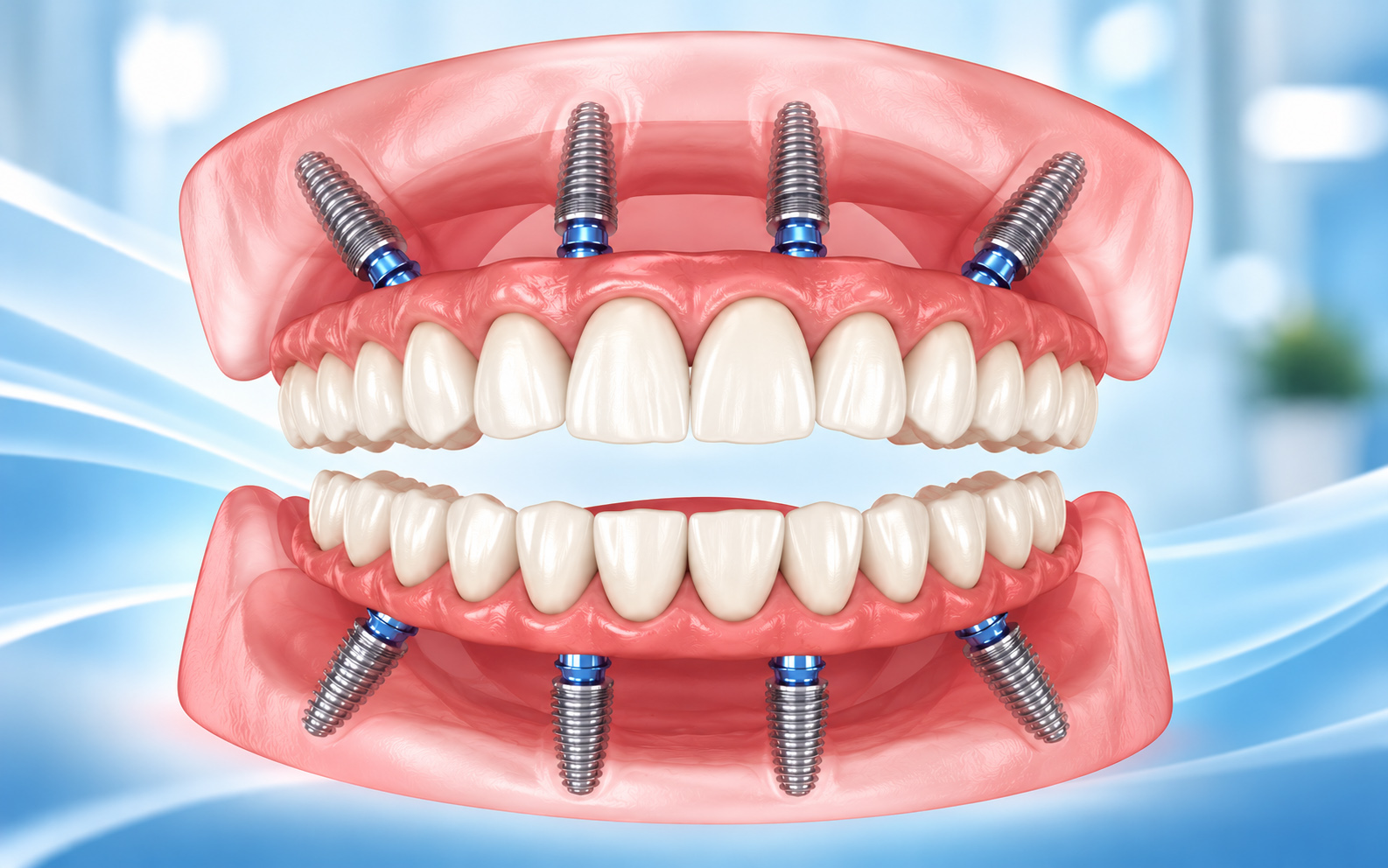
All-on-4 dental implants provide a full arch of teeth supported by only four implants. This treatment approach provides patients with a full arch of fixed teeth without the hassle or cost of traditional dentures.
An all-on-4 implant is a type of dental implant procedure that can replace an entire arch of teeth at once. All-on-4 implants are an option for patients who do not have enough bone in the jaw to support traditional implant placement and may be a better option than removable dentures or traditional bridges. The all-on-4 procedure is a quick, minimally invasive treatment that allows patients to restore their smile to full function in just one appointment.
During the all-on-4 procedure, four titanium posts are surgically implanted into the jawbone at precise angles. Small abutments are then attached to the posts, and the replacement teeth are attached, completing your new restoration. Because the procedure is minimally invasive, most patients do not experience pain following surgery and can resume normal activities within a matter of days.
All-on-4 dental implants are a dental implant solution used to permanently replace a full mouth of missing teeth, typically the upper jaw or lower jaw, but can also be for both jaws at once. Unlike traditional dentures, these fixed teeth restorations are anchored to the jawbone using four strategically placed implants to create a stable and strong bite and a smile that looks and feels natural.
Patients who choose to get their full mouth restored with all-on-4 dental implants can enjoy the benefits of having a brand new set of teeth that are permanent and stable without the hassles of denture adhesives, messy pastes, and the embarrassing slip-ups that are common with removable dentures. With implant-supported teeth, patients can enjoy the foods they love in their daily life without the fear of being embarrassed when they speak or losing their dentures while eating or drinking. Patients can also expect more comfort and confidence when their teeth are secured in place. Those with ill-fitting dentures often suffer from poor self-esteem issues because of receding gums and sunken facial structure caused by loose-fitting dentures, which make it hard for them to speak clearly and maintain eye contact with others. An all-on-four dental implant procedure can help to restore function and create a more youthful appearance with improved aesthetics.
When it comes to replacing an entire arch of missing teeth, the all-on-4 procedure is a cost-effective option when compared to the alternative of placing multiple individual implants for the upper and lower arches of the mouth. Placing the implants is often less time-consuming because only four implants are needed as opposed to six or more for individual implants, which can help to shorten the time needed for the procedure and sometimes lower the cost. However, each case is unique, and cost may vary from patient to patient depending on the severity of their tooth loss and the number of implants needed.
All-on-4 dental implants are permanent replacements for an entire arch of teeth, supported by four strategically placed dental implants. These implant-supported dentures are placed to heal on top of the gums and the jawbone as a temporary set of replacement teeth while your jaw and gums heal from the dental implant procedure. Once healed, the implant posts integrate with the jawbone, providing the strongest foundation possible for your complete denture. In fact, many patients report feeling little to no discomfort at all after the procedure is completed!
This is a highly-effective option for people with significant tooth loss that don’t want to wear traditional dentures. With a set of fully-removable dentures that don’t move around or slip, patients can return to eating their favorite foods without worry, enjoy social outings confidently, and even speak more clearly with a full set of teeth.
Another benefit of all-on-4 dental implants is that they don’t require bone grafts to be successful. Traditional implant procedures require a bone graft to be placed on the jawbone to support any missing teeth replacements; however, with just four implants in place to support your full arch of replacement teeth, this additional step is not necessary. This makes getting all-on-4 dentures a much more convenient process.
Finally, with all-on-4 dental implants, you can expect to enjoy a full smile makeover in just one day! The entire procedure takes only a few hours, and most patients feel no pain or discomfort whatsoever. That means you could be showing off your new smile before the weekend is over!
Dial (801) 274-2500 and book an appointment with our dentist to learn more about dental care services and to receive a complete dental checkup.
You must be logged in to comment. All comments are reviewed by our team before they appear.
MON 8:00 am - 5:00 pm
TUE 9:00 am - 6:00 pm
WED 8:00 am - 3:00 pm
THU 8:00 am - 5:00 pm
FRI 9:00 am - 3:00 pm
SAT - SUN Closed
2120 E 3900 S #102, Salt Lake City, UT 84124
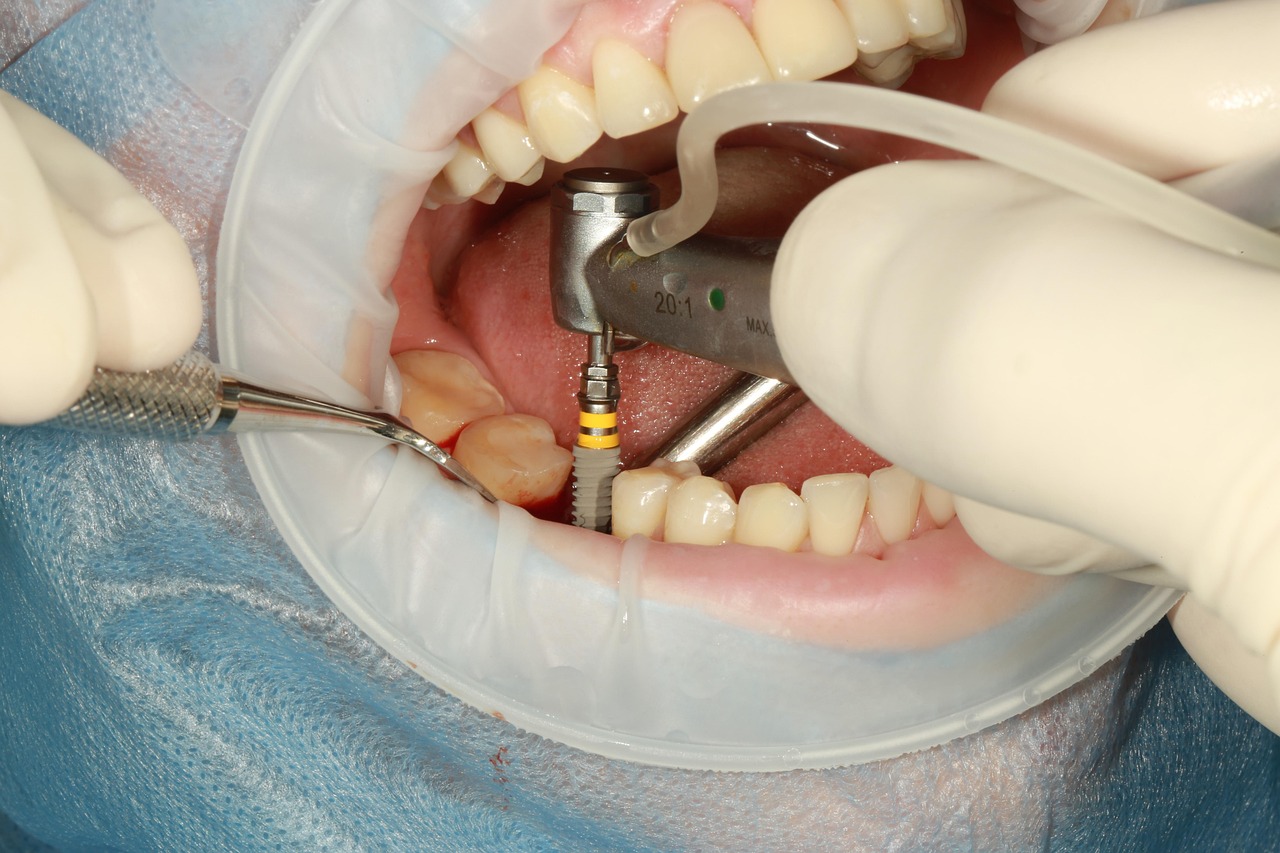
Welcome to our blog post on the importance of replacing lost teeth! Whether it's due to injury, decay, or other dental issues, losing a tooth can have more than just an aesthetic impact. It can affect your oral health and overall well-being in ways you may not even realize. But fear not! In this article, we'll explore why replacing lost teeth is so important and discuss the different options available to help restore your smile. So sit back, relax, and let's dive into the world of tooth replacement together!
Losing a tooth may seem like just a minor inconvenience, but the impact goes far beyond that. When you have an empty space in your mouth where a tooth used to be, it can cause several issues. Neighboring teeth may start to shift and move into the gap, causing misalignment and bite problems. This can lead to difficulties with chewing properly and even affect your speech.
Furthermore, when you lose a tooth, the underlying bone in your jaw can begin to deteriorate over time. This is because, without the stimulation from biting and chewing on that particular area of bone, it begins to weaken and shrink. As a result, not only does this lead to potential changes in facial structure, but it also reduces support for remaining teeth.
Replacing lost teeth is crucial for maintaining oral health as well as overall well-being. It helps preserve the proper alignment of your teeth and prevents further dental complications down the line. Additionally, having a complete set of teeth allows you to eat comfortably and enjoy all types of food without restrictions or discomfort.
Lastly - but certainly not least - replacing lost teeth plays an essential role in boosting self-confidence! A missing tooth can make you feel self-conscious about smiling or speaking openly in social situations. By restoring your smile through tooth replacement options, you regain that confidence and feel more at ease expressing yourself.
When it comes to replacing lost teeth, there are several options available that can restore your smile and improve your overall oral health. One of the most common solutions is dental implants. These are titanium posts that are surgically placed into the jawbone, providing a strong foundation for replacement teeth.
Another option is a dental bridge, which consists of artificial teeth anchored to neighboring natural teeth or implants. This can be a good choice if you have multiple missing teeth in a row.
Dentures are also commonly used for replacing lost teeth. They come in two types: complete dentures, which replace all the teeth in either the upper or lower jaw, and partial dentures, which fill in gaps when some natural teeth remain.
For those who prefer removable options, dentures may be preferred as they can be easily taken out for cleaning and maintenance. However, some people find them less comfortable than other options, such as dental implants.
There are implant-supported dentures that combine the benefits of both implants and dentures. These special dentures snap onto implanted metal posts instead of resting on gums or relying solely on suction.
Each option has its own advantages and considerations depending on individual needs and preferences. Consulting with a dental professional will help determine which solution is right for you based on factors such as bone density, oral health status, budget constraints, and personal comfort level.
When it comes to replacing lost teeth, there are several options available. Each option has its own advantages and considerations, making it important to choose the one that is right for you.
One popular option is dental implants. Implants are a permanent solution that looks and feels like natural teeth. They provide excellent stability and functionality, allowing you to eat and speak with confidence. However, they do require a surgical procedure and may not be suitable for everyone.
Another option is dentures. Dentures are removable artificial teeth that can replace multiple missing teeth or even a full set of teeth. They come in different types, including complete dentures and partial dentures, depending on your specific needs.
A third option is dental bridges. Bridges involve placing a false tooth between two crowns which are then bonded to the adjacent natural teeth or implants. This provides a fixed solution without the need for surgery.
To determine which option is right for you, it's important to consider factors such as your overall oral health, budget, personal preferences, and any specific concerns or limitations you may have.
Consulting with a qualified dentist will help guide you in making an informed decision tailored to your unique circumstances. Remember that what works well for someone else may not necessarily be the best choice for you.
Finding the right replacement option requires careful consideration of all these factors along with professional advice from your dentist.
It is clear that replacing lost teeth is of utmost importance for maintaining oral health and overall well-being. Whether you have lost a tooth due to injury, decay, or any other reason, ignoring the issue can lead to serious consequences down the line.
By opting for one of the various options available for replacing lost teeth, such as dental implants, bridges, or dentures, you can restore your smile and regain proper functionality in eating and speaking. Not only will this improve your quality of life, but it will also boost your self-confidence.
It is essential to consult with a professional dentist who can assess your individual needs and recommend the most suitable option for you. Factors like bone density, gum health, budget constraints, and personal preferences should all be taken into consideration when making this decision.
Remember that every situation is unique, and what works for someone else may not necessarily be right for you. Take the time to research different treatment options and discuss them thoroughly with your dentist before moving forward.
Don't let missing teeth hold you back from living life to its fullest potential. Investing in restorative dental procedures will not only enhance your appearance but also safeguard against further oral health issues that could arise if left untreated.
So why wait? Schedule an appointment with our trusted dental professional today and take the first step toward reclaiming your confident smile!
You must be logged in to comment. All comments are reviewed by our team before they appear.
MON 8:00 am - 5:00 pm
TUE 9:00 am - 6:00 pm
WED 8:00 am - 3:00 pm
THU 8:00 am - 5:00 pm
FRI 9:00 am - 3:00 pm
SAT - SUN Closed
2120 E 3900 S #102, Salt Lake City, UT 84124
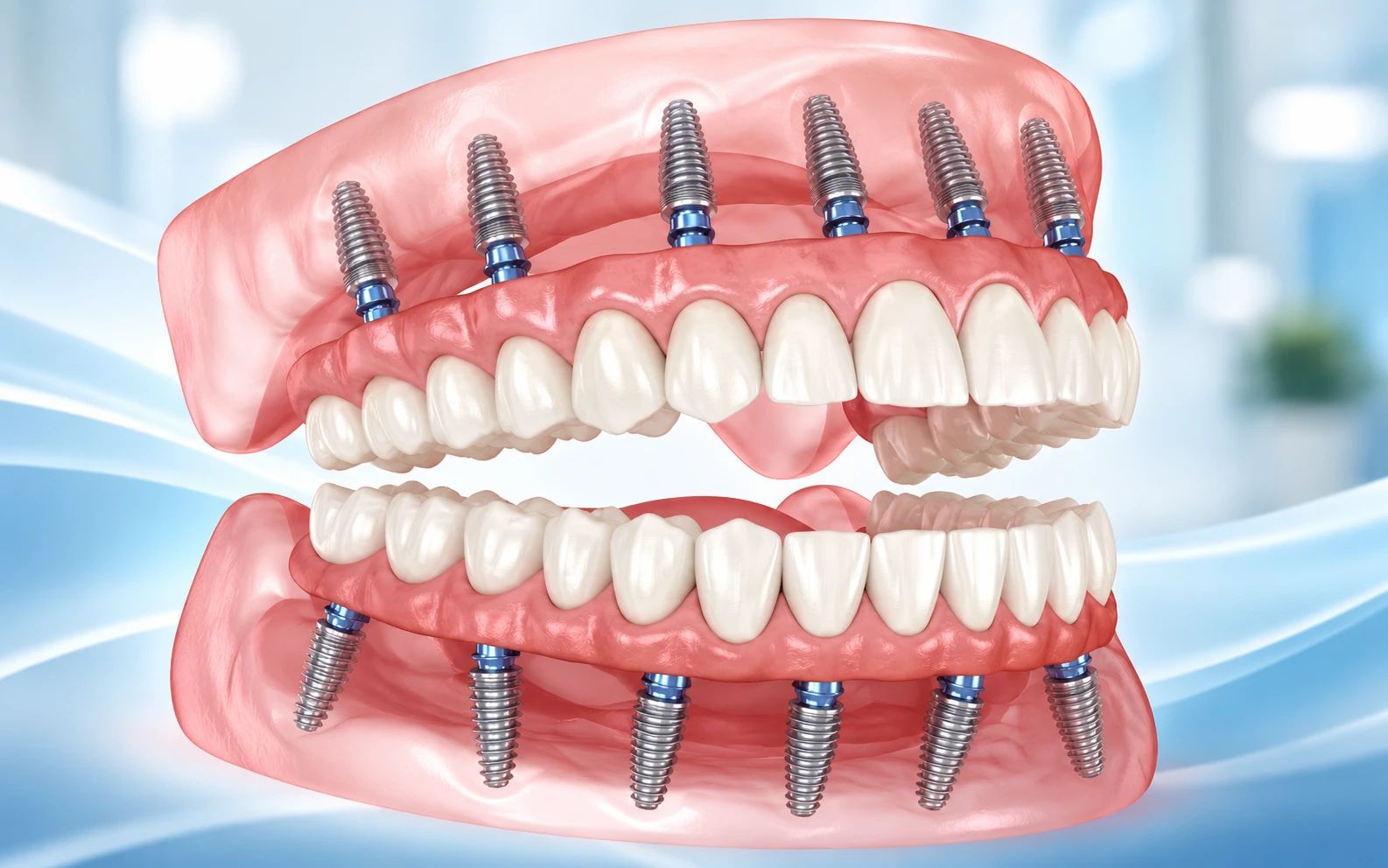
All-on-7 dental implants are a type of dental implant procedure that places an entire arch of teeth on just seven dental implants. This procedure can be a good option for patients who have lost all or most of their teeth.
All-on-7 is a dental treatment that uses seven dental implants to permanently replace an entire arch of missing teeth. This treatment uses the latest dental implant technology, offering a permanent smile solution with a reduced healing time and impressive results. The all-on-seven procedure has been developed by Nobel Biocare after years of research, development, and testing. The procedure was developed to be an ideal solution for patients looking to replace all their teeth with a removable denture that stays in place without the need for adhesive or creams.
Dentists recommend dental implants over dentures for their comfort, appearance, and function. The major benefits of all-on-7 implants are as follows:
These implants provide all of the same benefits as other dental implants treatments, such as the replacement of missing teeth and the prevention of jawbone loss. Additionally, these implants are designed to function similarly to natural teeth, which means that you can chew and speak normally after the procedure is completed. The All-on-7 technique also involves placing the implant posts at an angle in the jaw so that the prosthetic teeth will lock in place securely and will never slip out of place or come out when you speak or eat.
Since placing dental implants requires less surgery than other procedures, the recovery period is much faster. In fact, you may even be able to return to work the next day as long as you don’t engage in any strenuous physical activity. Most people find that they are able to enjoy normal activities within just a few days of the procedure’s completion.
However, some people may face some mild discomfort after the implants are placed. This can usually be managed with over-the-counter medication. Some people may also experience minor bruising around where the new teeth were placed, but that should subside quickly on its own.
Also, keep in mind that this procedure takes several months to complete. During the first part of the procedure, your dentist will place the dental implants into your jawbone so that they can fuse with the bone. Once the fusion is complete, you will then have impressions taken of your mouth that will be sent to a lab for the fabrication process of your custom-made prosthetic teeth. Once your new teeth are made, you will come back to have your final fitting, and then your brand-new smile will be complete!
If you need to replace a full arch of teeth, it is likely that you are a candidate to receive All-on-7 dental implants. Patients who are missing all of their upper or bottom teeth and do not want to wear removable dentures may be candidates for this procedure. However, patients must be healthy enough to undergo oral surgery and have the sufficient bone density to support the implants. This ensures the success of the procedure.
Reach out to our dental practice in Salt Lake City, UT, to have a consultation with our dentist in Salt Lake City, UT, Dr. Bishop. Call us at (801) 274-2500 or schedule an online consultation, and we’ll guide you further.
You must be logged in to comment. All comments are reviewed by our team before they appear.
MON 8:00 am - 5:00 pm
TUE 9:00 am - 6:00 pm
WED 8:00 am - 3:00 pm
THU 8:00 am - 5:00 pm
FRI 9:00 am - 3:00 pm
SAT - SUN Closed
2120 E 3900 S #102, Salt Lake City, UT 84124
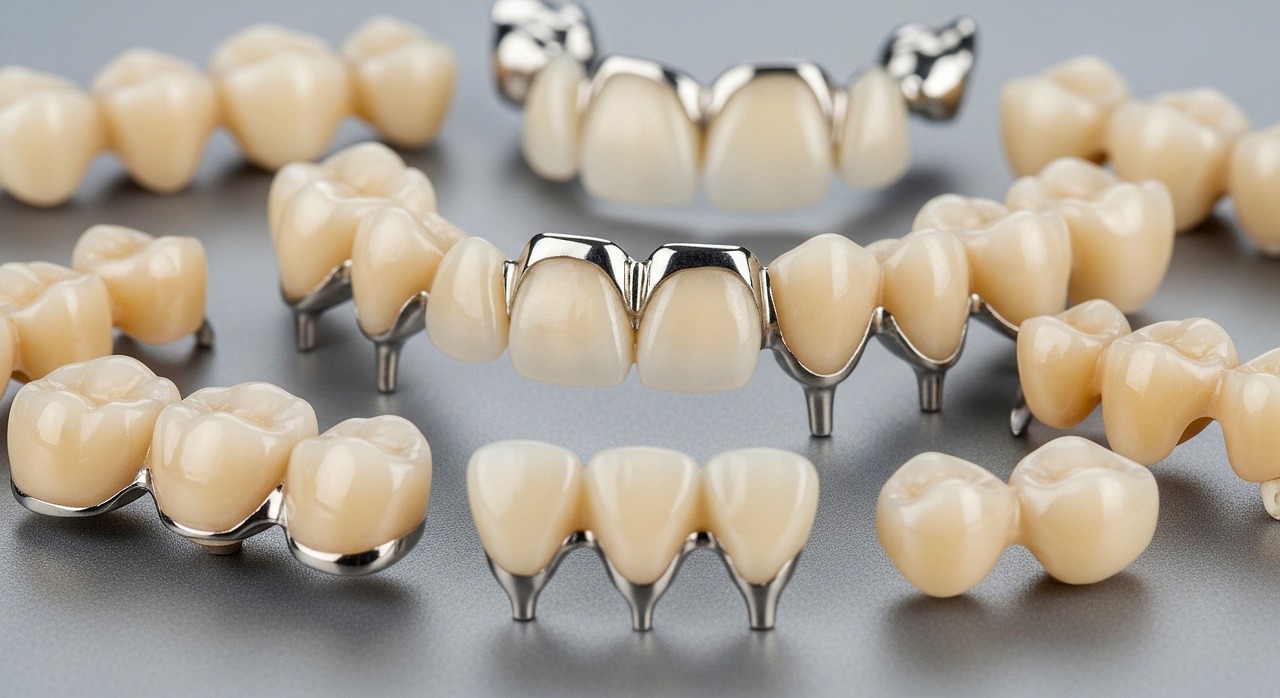
You may need to receive a dental bridge if you have lost permanent teeth and need to fill the space so that your oral health is not impeded. A replacement tooth or teeth fused to two dental crowns makes up the dental bridge, which can anchor to your remaining teeth or to dental implants. Below we offer a list of the advantages of dental bridges and encourage proper care to maintain your appliance.
Your oral health can benefit from the following functions of dental bridges:
– Restores original appearance and function of your teeth
– Maintains the facial structure to prevent sagging jaws
– Facilitates clear speech and proper chewing
– Redistributes the bite force evenly across the teeth to prevent wear and tear and jaw issues
– Stops remaining teeth from drifting and disrupting alignment
Dental bridges can endure more than ten years of use thanks to their durability, though it’s important that you show your bridge proper care by maintaining effective daily oral hygiene habits. In addition to brushing and flossing your teeth every day to prevent gum disease and cavities, visit the dentist regularly for dental cleanings and exams. This ensures that the teeth supporting your bridge are in great shape.
Contact Bishop Family Dental at 801-274-2500 today if you would like to ask our dentist, Dr. Daniel Bishop, more about dental bridges in Salt Lake City, Utah.
You must be logged in to comment. All comments are reviewed by our team before they appear.
MON 8:00 am - 5:00 pm
TUE 9:00 am - 6:00 pm
WED 8:00 am - 3:00 pm
THU 8:00 am - 5:00 pm
FRI 9:00 am - 3:00 pm
SAT - SUN Closed
2120 E 3900 S #102, Salt Lake City, UT 84124





0 Comments
Your Comment
You must be logged in to comment. All comments are reviewed by our team before they appear.